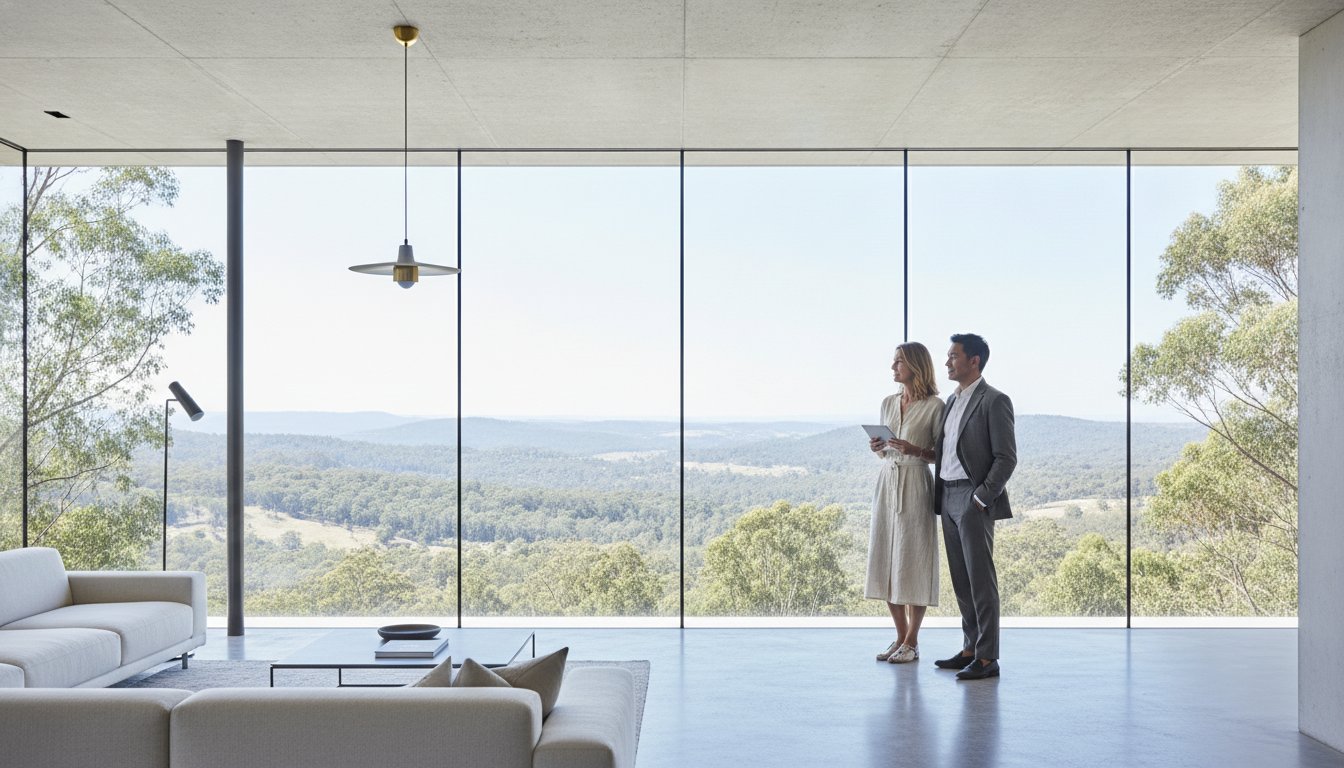
Your family home might be worth exactly what the market dictates, but the amount that actually lands in your bank account is entirely up to you. In a cooling market where national dwelling values recently dipped by 0.9 per cent, understanding the specific factors affecting property value in Australia has never been more critical. It’s a stressful tightrope to walk, especially when you’re trying to make sense of conflicting data while high agent commissions threaten to eat away at your life’s work. We understand that this transition is about more than just a transaction; it’s about protecting your family’s future and the legacy you’ve built.
This guide is designed to give you back control and provide a steady hand through the selling process. You’ll discover how to navigate the current 4.35 per cent cash rate environment and identify the specific home features that truly drive up local interest. We’ll show you how to maximise your sale price and keep 100 per cent of your profit, ensuring you don’t lose an average of $20,000 to commissions. By the end, you’ll have a clear strategy to sell with confidence and move into your next chapter with your full equity intact.
Key Takeaways
- Understand how the RBA cash rate and national economic trends influence the price ceiling for your home in the current 2026 landscape.
- Identify the specific physical and local factors affecting property value in Australia, such as the “Golden Triangle” of rooms and school catchment zones.
- Learn why professional photography and high-quality floorplans are essential for standing out and driving inspections in a cooling market.
- Discover how to protect your family’s legacy by avoiding high agent commissions and keeping 100 per cent of your sale profit.
- Gain a clear, step-by-step strategy to navigate conflicting market data with the calm confidence of a seasoned expert.
The Australian Property Market: Macro Factors You Can’t Control
Selling a family home often feels like trying to read the weather; you can prepare the garden and paint the deck, but you cannot stop the rain. In the current climate, macro-economic conditions act as the atmospheric pressure of the housing world. Understanding the external factors affecting property value in Australia is the first step toward building a grounded, realistic sale strategy. We often see homeowners stressed by national headlines, yet the “Big Three”—interest rates, inflation, and economic confidence—impact every suburb differently. While professional real estate appraisal methods provide a technical baseline for what a house is worth, these broader shifts often dictate the final price a buyer is actually willing to pay on auction day.
Government policy also plays a significant role in propping up or cooling down demand. For instance, the Australian Government 5% Deposit Scheme continues to support eligible buyers, while state-based First Home Owner Grants, such as the $20,000 available in Tasmania or the $50,000 in the Northern Territory, keep certain price brackets active. However, national data can be misleading. This is why a detailed Neighborhood Market Report is far more useful than generic news; it filters these broad trends through the lens of your specific street, where local supply and demand dynamics truly dictate your price ceiling.
The Interest Rate Ripple Effect
The Reserve Bank of Australia kept the official cash rate at 4.35 per cent as of September 2026, a figure that remains the primary lever for buyer borrowing power. When rates are steady or rising, buyers become more cautious, and mortgage stress can lead to increased inventory as more homes hit the market. You might feel tempted to hold out for a rate drop, but in a cooling market where national values recently fell by 0.9 per cent in a single month, waiting can sometimes mean chasing the market down. It is often better to sell with a clear head in today’s known conditions than to gamble on the RBA’s next move.
Demographic Shifts and Housing Demand
The legacy of the “tree change” and “sea change” movements continues to influence where Australians want to live, even as some return to employment centres. Migration patterns and the desire for more useable space keep certain regions resilient while others soften. For homeowners in lifestyle-rich areas, the ability to generate short-term income through BnB Booking can significantly enhance a property’s appeal to the growing investor market. Market sentiment is the collective emotional state of Australian buyers in 2026. This shared mood, driven by everything from employment security to the 3.5 per cent annual inflation rate, determines whether a buyer views your home as a safe harbour or a financial risk. By understanding these shifts, you can position your property to meet the specific aspirations of today’s families.
While the role of the RBA in relation to housing sets the broader financial boundaries for what buyers can afford, the physical reality of your home is what clinches the deal. Land size has long been one of the primary factors affecting property value in Australia, yet modern families now prioritise useable space over raw acreage. A smaller, well-designed block with an integrated alfresco area often outshines a sprawling, unkempt yard that suggests endless weekend chores. Buyers are looking for a lifestyle, not a second job.
Inside the home, the “Golden Triangle” of rooms remains the most significant driver of perceived worth. Kitchens, bathrooms, and master suites are where buyers look for luxury and longevity. In 2026, sustainability has also moved from a “nice-to-have” to a non-negotiable. High-quality insulation and solar systems are viewed as future-proofing measures that protect buyers from rising living costs. To help potential owners understand how these elements fit together, professional floorplans are essential; they allow a family to mentally move their furniture in before they even step foot on the property.
Kerb Appeal and First Impressions
The psychology of the “front gate” experience cannot be overstated. A buyer’s emotional connection often begins the moment they pull up to the kerb. Simple acts like tidying garden beds, painting the front door, or ensuring the letterbox isn’t leaning can add thousands to the perceived value. Modern Australian buyers are particularly drawn to low-maintenance landscaping that offers a lush feel without the heavy lifting. Organising your exterior to look effortless suggests a home that has been loved and meticulously maintained, which reduces buyer anxiety about hidden maintenance issues.
Internal Layout and Modern Functionality
We’ve seen a permanent shift toward multi-purpose living. A dedicated “work from home” space is now a top priority for professionals, and a home that offers quiet zones alongside open-plan areas will always command a premium. High-end Photography is the best way to showcase this balance; it captures the light and flow that make a house feel like a home. If you’re wondering how your specific layout measures up against current buyer expectations, you might find it helpful to speak with an advisor about your property’s unique strengths.
Location and Infrastructure: Beyond the Boundary Fence
Value doesn’t end at your front gate. In fact, many of the most significant factors affecting property value in Australia are entirely external to your title deed. Buyers aren’t just purchasing bricks and mortar; they’re buying into a lifestyle, a commute, and a community. This is why two identical houses in the same suburb can have vastly different price tags based on which side of a specific road they sit. It’s about the “anchor” of the location, the sense of place that makes a family feel they’ve found their forever home.
Local amenities play a massive role in this emotional connection. Walking distance to a vibrant local cafe strip or a well-maintained park adds a layer of desirability that generic data simply can’t capture. We’ve seen that the “good coffee” factor is real; buyers will often pay a premium for the convenience of a weekend stroll to their favourite local spot. However, it’s also vital to look at what’s coming next. Checking local council plans for zoning changes or new developments is a crucial step in future-proofing your sale. A new shopping centre nearby might boost convenience, but a proposed high-rise development next door could impact your privacy and sunlight. Staying informed about these external shifts ensures you’re never caught off guard during negotiations.
The Power of School Zones
For many Australian families, the local school catchment is the ultimate “hidden” value driver. Being on the right side of a boundary line can change a valuation by a six-figure sum, as parents look to secure their children’s education without the ongoing cost of private tuition. These properties tend to show remarkable long-term stability, even when the broader market softens, because the demand for quality education remains constant. You can learn how to determine the market value of a home in Australia by cross-referencing your address with the latest NAPLAN results and local school intake maps. It’s one of the most reliable ways to justify a higher asking price to a motivated buyer.
Transport and Connectivity
The rise of the “20-Minute Neighbourhood” has reshaped urban planning across the country. Buyers now prioritise homes where work, shops, and health services are all reachable within a short trip. Proximity to public transport hubs or major employment centres is a massive drawcard, though there’s a delicate balance to strike. While being near a train station adds value, being too close to the tracks can detract from the “quiet street” premium that many families still crave. Upcoming infrastructure projects, like rail extensions or highway upgrades planned for the next few years, can act as a catalyst for future capital growth. If your home is positioned to benefit from these connections, it’s a major selling point that deserves a spotlight in your marketing.

Visual Marketing: The “Silent Negotiator” of Property Value
Many sellers assume that market value is a rigid number set in stone by banks and spreadsheets. In reality, value is often a range, and where your final sale price lands within that range depends heavily on perception. While we have already explored the economic shifts and local infrastructure that provide the foundation, visual marketing is one of the most powerful controllable factors affecting property value in Australia. It acts as a silent negotiator, setting the tone for every conversation before a buyer even steps onto your driveway. Choosing to sell your own home shouldn’t mean settling for a ‘DIY’ look; it’s about meeting professional standards to ensure your property is taken seriously by the most competitive buyers. To see how these standards are applied by industry leaders, you might check out The Agency Coffs Coast for an example of high-end regional property presentation.
High-quality marketing does more than just look pretty. It builds trust and reduces the perceived risk for a buyer. When a listing looks polished, it suggests the home itself has been cared for with the same level of attention. By positioning your home as a lifestyle rather than just a collection of rooms, you invite buyers to visualise their own future there. This emotional connection is what drives people to stretch their budgets during negotiations, turning a casual browser into a determined bidder. If you are ready to showcase your home’s true potential, you can book a consultation with our team to discuss the best visual strategy for your area.
Smartphone cameras have come a long way, but they still cannot replicate the impact of professional equipment and expert editing. A professional photographer understands how to use wide-angle lenses to capture the flow of a room without distorting it, and how to balance natural light to make a space feel warm and inviting. These images are often the first point of contact a buyer has with your legacy. We’ve seen that listings with professional media receive significantly more clicks and inspection requests than those without. This is why Kincade International Direct Sales includes professional photography in every package; we believe every Australian seller deserves to put their best foot forward without the burden of high upfront marketing costs.
The Floorplan Advantage
An accurate floorplan is perhaps the most underrated tool in your marketing arsenal. Research within the real estate industry suggests that approximately 1 in 3 buyers will actually ignore a listing if it doesn’t include a floorplan. It provides the essential context that photos alone cannot, helping buyers understand the relationship between the “Golden Triangle” of rooms we discussed earlier. Beyond just generating interest, floorplans help qualify buyers by ensuring the layout suits their specific needs before they book an inspection. You can also use these documents during Pre-Sale Property Consulting to identify minor layout improvements that could significantly boost your final sale price. It’s about removing friction and making it as easy as possible for a buyer to say “yes”.
Maximising Your Sale Profit: The KIDS Commission-Free Model
After navigating the complex factors affecting property value in Australia, from the RBA cash rate to the “Golden Triangle” of internal rooms, the final hurdle is ensuring that value actually stays in your pocket. It’s a common misconception that a high sale price automatically equals a high profit. In reality, the traditional commission model often acts as a significant “equity leak,” draining your hard-earned wealth at the very moment you should be celebrating. Protecting your family’s legacy means looking beyond the “sold” sticker and focusing on the net result. We believe that the equity in your home belongs to you, not an agency’s bottom line.
Kincade International Direct Sales (KIDS) was founded on the belief that the modern Australian seller deserves a more transparent, partnership-based approach. By choosing to sell your own home with the support of our flat-fee model, you effectively bypass the commission trap. This isn’t just about cutting costs; it’s about empowerment. You receive the same professional-grade Residential Property Listing Services, including the global marketing reach and professional media we’ve discussed, but without the high marketing costs or percentage-based fees that can erode your profit.
Traditional Agents vs. Flat-Fee Advisory
The financial difference is often startling. On a typical Australian property, sellers save an average of $20,000 in commissions by moving away from the traditional model. There’s a persistent myth that local agents have a “magic touch” that unlocks higher prices, but in 2026, market exposure and presentation are the true drivers of value. KIDS provides the global marketing network required to find the right buyer, while our Agency Flat Fee ensures your costs remain fixed and predictable. This allows you to move into your next chapter with your full equity intact, rather than leaving a significant portion of it on the closing table.
The Steady Hand: Expert Advisory and Conveyance
We understand that the legal and negotiation phases of a sale can feel daunting. That’s why we provide a “steady hand” through our Real Estate Advisory Services, acting as a safety net for those who want to take control of their sale. Navigating the legal journey is made simple with professional Conveyance Advice, ensuring that every contract and disclosure meets the necessary standards. From handling initial enquiries to the final settlement steps, our team provides the expert guidance you need to close the deal with confidence. It’s a professional, supported way to sell that prioritises your family’s needs over a quick commission.
Taking Charge of Your Home’s Future
Navigating the various factors affecting property value in Australia can feel like a daunting task, but you don’t have to do it alone. We’ve explored how macro trends like the 4.35 per cent cash rate provide the backdrop, while your home’s unique physical features and local school catchments drive individual interest. Most importantly, we’ve seen how professional presentation and strategic marketing can elevate your property above the competition, ensuring you achieve the best possible result in any market condition.
Your home is likely your greatest asset; protecting the equity you’ve built over many years is our top priority. By choosing a commission-free model, you can save an average of $20,000 per sale while still benefiting from professional photography, floorplans, and our expert advisory service. It’s about selling with confidence and keeping your hard-earned profit where it belongs. When you’re ready to start your next chapter with a steady hand by your side, protect your equity and sell commission-free with SellingMyPlace.com.au. We look forward to helping you move forward with peace of mind and your full legacy intact.
Frequently Asked Questions
What is the single biggest factor affecting property value in Australia?
While location is the traditional answer, the primary ceiling on property prices in 2026 is the RBA cash rate and its impact on buyer borrowing power. The current 4.35 per cent rate directly dictates what a family can afford to bid. However, within your local area, the specific street position and proximity to lifestyle amenities remain the most influential factors affecting property value in Australia that you can actually leverage.
How much value does a renovation actually add to an Australian home?
A well-planned renovation can return significantly more than its cost, provided you focus on the “Golden Triangle” of rooms. Kitchens, bathrooms, and master suites typically offer the highest return on investment because they are the most expensive for a buyer to fix themselves. Modern Australian buyers also look for energy-efficient upgrades, such as solar and insulation, which can add thousands to the perceived worth of a property in today’s climate.
Does the school catchment area really impact my property price?
Yes, being on the right side of a boundary line for a high-performing public school is one of the most resilient factors affecting property value in Australia. Parents often view a home in a top catchment as a long-term investment in their children’s education, which can lead to a six-figure premium over similar homes nearby. These properties tend to hold their value even when broader market sentiment begins to soften.
Can I sell my home without a traditional agent and still get a high price?
You can certainly achieve a premium price by selling your own home if you maintain professional standards in your marketing and presentation. Buyers respond to quality photography, clear floorplans, and accurate data rather than the logo on a sign. With the right real estate advisory services to guide your negotiations, you can achieve a result that matches or exceeds what a traditional agent might deliver.
How much can I save by using a commission-free real estate model?
Australian sellers save an average of $20,000 by choosing a commission-free, flat-fee model over a traditional percentage-based agency. This significant saving allows you to protect your home’s equity and put that money toward your next life transition. Because you aren’t paying a large portion of your profit to an agent, you have more flexibility in your negotiations while still ensuring you walk away with 100 per cent of the profit.
What should be included in a professional neighbourhood market report?
A comprehensive report should include recent local sales data, current supply and demand levels, and an analysis of how long properties are sitting on the market. It should also highlight local infrastructure projects or zoning changes that might influence future growth. These reports empower you to set a realistic asking price based on hard evidence rather than guesswork, giving you a steady hand during the entire selling process.
Is professional photography worth the investment for a private sale?
Professional photography is essential because it acts as your silent negotiator in the digital space. High-quality images and floorplans are the primary tools for reducing buyer friction and driving inspections. Since 1 in 3 buyers will skip a listing that lacks a floorplan, including professional media is non-negotiable for a successful result. It ensures your home stands out as a premium lifestyle choice rather than just another online listing.
What are the legal risks of selling my own property in Australia?
The primary risks involve ensuring all legal disclosures are accurate and that the contract of sale is correctly prepared for your specific state. These risks are easily managed by seeking professional Conveyance Advice and utilising an expert advisory service as a safety net. Having professional support through the legal journey ensures that your sale is compliant and secure, allowing you to focus on the emotional significance of your move.