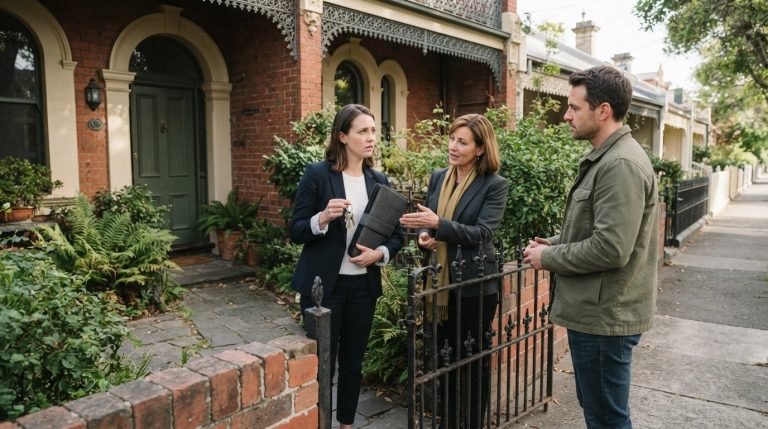
Clear, consistent communication is central to how to manage enquiries for a private sale. Give buyers accurate property information, explain how to submit an offer, and direct deposit arrangements through your conveyancer. The purchaser’s deposit is paid into the vendor’s conveyancer’s trust account, where it is held until settlement.
It’s natural to want to respond quickly when interest comes in, while taking care not to make promises or agree to terms before you understand them. A calm, organised approach helps buyers know what to expect and gives you a clearer picture of each enquiry.
This guide covers what to include in your first response, how to handle buyer questions and offers, and why deposit arrangements should be coordinated through your conveyancer. Use these practical steps to keep communication clear and move the sale forward with confidence.
Key Takeaways
- Respond to buyer enquiries with consistent property details and clear instructions for making an offer.
- Prepare useful information for inspections so prospective buyers can understand the property and ask informed questions.
- Use respectful, practical questions to understand a buyer’s position and coordinate inspections smoothly.
- Compare offers by looking beyond the price to the proposed conditions and timing, then keep negotiations clear and documented.
- Arrange deposit payment through your conveyancer, and understand that cooling-off rules and other sale requirements vary between states and territories.
Initial contact and instructions
Set a clear process before replying: prepare accurate property details, explain how buyers can make an offer, and direct deposit arrangements through your conveyancer. A private sale can use a fixed asking price or price range, without public bidding or a predetermined sale date.
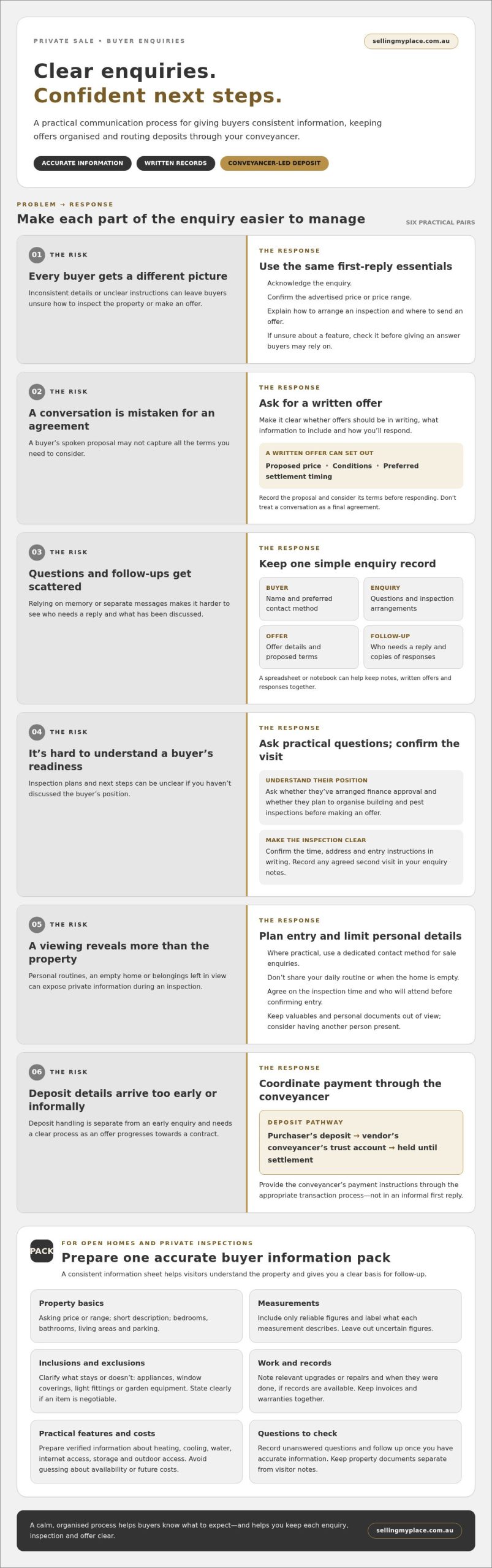
In your first response, acknowledge the enquiry and provide the same key information to each prospective buyer. Confirm the advertised price or range, how to arrange an inspection, and where to send an offer. If you’re unsure about a feature, note the question and give an accurate answer before the buyer relies on it.
Make your instructions easy to follow. Tell buyers whether offers should be in writing, what information to include, and how you’ll respond. A written offer can set out the proposed price, conditions and preferred settlement timing. Don’t treat a conversation as a final agreement. Record the buyer’s proposal and consider its terms before responding.
Use a simple enquiry record to keep discussions organised. For each buyer, note their name, preferred contact method, questions, inspection arrangements and offer details. A spreadsheet or notebook helps you track who needs a reply, rather than relying on scattered messages or memory. Keep copies of written offers and your responses together.
Qualifying buyers and arranging inspections
Qualifying buyers means understanding their readiness and arranging inspections that suit both parties. Ask whether they’ve arranged finance approval and whether they plan to organise building and pest inspections before making an offer. Their answers help you understand their position and the steps they may need to take.
Offer a clear inspection time and confirm the address and entry instructions in writing. If a buyer wants another visit to assess a detail, such as storage space or access, agree on a suitable time and record it in your enquiry notes.
Privacy and safety when responding
Protect your privacy and safety by limiting personal information and planning how buyers enter your home. Where practical, use a dedicated contact method for sale enquiries. Share property information without revealing details such as your daily routine or when the home is empty.
For an inspection, agree on the time and who will attend before confirming entry. Keep valuables and personal documents out of view, and consider having another person present. You can answer a buyer’s question about the property without sharing private family or security details.
Bring your conveyancer into deposit arrangements as an offer progresses towards a contract. In a private sale, the purchaser’s deposit is paid into the vendor’s conveyancer’s trust account and held there until settlement. Provide the conveyancer’s payment instructions through the appropriate transaction process, not in an informal first reply. This separates deposit handling from early enquiries and makes the next step clear to both parties.
Information for buyers at open homes and inspections
Prepare one accurate information pack for each open home or private inspection. Start with the asking price or price range, then organise details buyers are likely to ask about. A consistent pack helps you give every visitor the same information and follow up on questions afterwards.
Describe the home’s layout clearly, including the number of bedrooms and bathrooms, living areas and parking spaces. Include measurements only when you have reliable figures, and label what each one describes. For example, distinguish a room measurement from a whole-property measurement. Leave out uncertain figures rather than presenting estimates as facts.
List what’s included in the sale and what isn’t. Buyers may ask whether appliances, window coverings, light fittings or garden equipment will remain. Decide how each item will be treated before inspections begin. If an item is negotiable, say so clearly instead of letting visitors assume it comes with the property.
Prepare a brief history of relevant work, such as a kitchen update, roof repair or replacement hot-water system. Note what was done and when, if you have records. Keep invoices, warranties and supporting documents together so you can answer accurately. Don’t describe unfinished work as complete or make claims about features you can’t substantiate.
Buyers may ask about ongoing costs and practical features, including heating, cooling, water, internet access, storage and access to outdoor areas. Prepare answers from information you can verify, such as recent bills or product paperwork. Avoid guessing about service availability or future costs. For a question you can’t answer at the inspection, record it and follow up once you have accurate information.
A concise information sheet can help visitors compare details during a viewing. Consider including:
- The asking price or price range and a short property description.
- Room layout, parking and any measurements you can support.
- Items included in the sale, plus exclusions or negotiable items.
- Known upgrades or repairs, with records available where relevant.
- Questions you’ll answer after checking your documents.
Keep property documents separate from visitor notes. Your conveyancer can explain which sale documents apply to your transaction, while your notes capture questions about the home itself. Buyers arranging finance approval or building and pest inspections may ask for details to help assess the property before making an offer.
Before the first viewing, read the information sheet aloud and correct unclear wording. For practical support preparing buyer-facing property information, you can discuss your sale preparation.
How do you qualify serious buyers and arrange private property inspections?
Qualifying buyers means understanding their readiness to consider the property and arranging an inspection that suits both parties. Ask each enquirer the same respectful questions, focusing on their plans rather than making assumptions from a brief message. This helps you prioritise follow-up while keeping the process fair and organised.
Start by asking what the buyer would like to see and whether they have questions about the property. If they’re interested in making an offer, ask whether they’ve arranged finance approval and plan to organise building and pest inspections. Buyers may arrange finance approval and inspections before making an offer, so their answers can clarify the steps they’re considering.
Keep qualification conversational, not intrusive. Ask whether the buyer is ready to proceed if the property suits them, or whether they’re still comparing options. Don’t demand sensitive financial records during an initial enquiry. Note what the buyer tells you and focus on practical details that affect an inspection or possible offer.
Before confirming a private viewing, agree on the appointment details in writing. Include the property address, arrival instructions and areas the buyer wants to inspect. If they ask to bring a builder or another adviser, discuss the request and agree on who will attend. A clear message reduces confusion and gives you a record of the arrangement.
Use a simple inspection log to track each prospective buyer. Record their contact details, preferred appointment time, questions and requested follow-up. For example, note that a buyer wants to inspect the garage and ask about the roof, then reply after checking your records. This keeps useful facts separate from personal impressions.
- Ask whether the buyer has arranged finance approval or is exploring options.
- Find out whether they expect to organise building and pest inspections.
- Confirm the purpose and attendance of any additional inspection guests.
- Record questions and agreed follow-up in one enquiry log.
Enthusiasm alone doesn’t show how ready a buyer is. A visitor may be keen but still need finance approval; another may ask detailed questions because they’re carefully assessing the home. Compare what each person says they need to do next, and respond consistently rather than treating confidence or urgency as proof they can proceed.
After an inspection, send a brief follow-up inviting specific questions or an offer. If the buyer needs information about a feature, provide details you can support, such as a repair record or confirmation that an appliance is included. Clear follow-up keeps the discussion useful and helps you understand whether the buyer is moving towards an offer or needs more time.
How should you handle offers and negotiate with buyers in a private property sale?
In a private sale, buyers submit offers through the selling agent, and buyer and seller negotiate privately rather than through public bidding. For a direct private sale, keep each offer and response clear, dated and in writing. This creates a useful record of the proposed price, conditions and changes as discussions progress.
Assess the whole offer, not just the amount. A buyer’s proposed conditions can affect the next steps, including whether finance approval or a building and pest inspection is required. An offer may also include work to be completed before settlement. Compare these terms with the price and proposed timing, then decide which combination best suits your plans.
If a buyer’s proposal doesn’t meet your expectations, respond with a clear counteroffer. For example, you might state a revised price while keeping the buyer’s proposed inspection condition, or suggest different work in response to a requested repair. Spell out which terms you’re changing and which remain as proposed. This reduces the risk of either party misunderstanding your latest position.
Keep communication measured if more than one buyer is interested. Give each buyer accurate information, and don’t imply another offer exists unless it does. If you invite improved offers, explain the process consistently and state when you’ll consider responses. Private negotiation allows direct discussion, but clear communication helps buyers understand what you’re considering.
- Record the proposed price and any conditions.
- Note requested work, inspection plans and timing.
- Write down each counteroffer and the terms it changes.
- Keep messages and offer documents together for your conveyancer.
Before agreeing to detailed contract terms, ask your conveyancer to explain how the proposed conditions are expressed in the contract. A buyer might say their offer depends on finance approval, for instance, but the written contract needs to reflect the agreed terms. Keep informal discussions separate from contract paperwork, and don’t assume a verbal summary captures every condition.
Once you and the buyer agree on the offer’s key terms, pass the details to your conveyancer so the contract can reflect them. Check that the proposed price, conditions, included items and timing match your agreement. If a draft contract differs from your recorded offer, raise the discrepancy before proceeding. Careful comparison helps carry the negotiation into the formal sale process without losing agreed details.
Negotiation is also about finding the right fit. A lower offer with fewer conditions may suit your priorities better than a higher offer that depends on several steps. Review each proposal against your preferred timing, the buyer’s stated plans and any work requested. Keep your response focused on the terms you’re prepared to accept.
What are the rules for private property sales and buyer enquiries in each Australian state and territory
Private-sale rules vary across Australia, so an enquiry can lead to different contract, disclosure and cooling-off steps depending on the property’s location. First identify the state or territory, then understand the local requirements that affect offers, contracts and deposit arrangements.
In South Australia, a conveyancer prepares Form 1 or Form 2 under Section 7 of the Land and Business Sale and Conveyancing Act 1994 for a private property or business sale. For a property sale, the purchaser has 2 clear business days of cooling-off rights after the form is served. A business sale may have a different cooling-off period after the relevant form is served.
For a NSW residential property bought by private treaty, buyers usually have 5 working days after exchanging contracts to withdraw. A buyer may pay 0.25% of the purchase price when exchanging a contract with a cooling-off period. The deposit payable at exchange is 10% unless a lesser sum is agreed. If the buyer withdraws during the cooling-off period, they forfeit 0.25% of the purchase price.
NSW also has disclosure requirements that can affect a contract after exchange. A purchaser may be entitled to rescind within 14 days if required disclosure documents aren’t attached, unless settlement has already occurred. NSW Fair Trading says settlement typically occurs 6 weeks after contracts are exchanged, although the parties may negotiate a different timeframe. These details make it important to distinguish a buyer’s initial offer from the formal contract process.
In Victoria, private sale is one of the most common ways to sell residential property. The owner, rather than the real estate agent, makes the final decision about using a private sale, auction or expression of interest. In private sales across Australia, buyers and sellers negotiate privately, without public bidding or a predetermined sale date. A property may be advertised at a fixed asking price or within a price range.
Rules and transaction steps differ between jurisdictions, so don’t assume a NSW cooling-off period or South Australian form applies elsewhere. Ask your conveyancer to explain the contract and disclosure process for the property’s state or territory, and route deposit instructions through their trust-account process. The purchaser’s deposit is held in the vendor’s conveyancer’s trust account until settlement.
For guidance on preparing your sale for local buyer enquiries, discuss your property sale.
For a private sale, clarify local requirements before progressing an enquiry. In NSW, the balance of the buyer’s deposit after an initial 0.25% payment is usually 9.75% of the purchase price and is payable before the cooling-off period ends. The purchaser and vendor should each have their own independent conveyancer for the conveyancing transaction.
Kincade International Direct Sales: Residential Property Listing Services
Kincade International Direct Sales helps Australian homeowners market residential property through its Residential Property Listing Services. It’s a practical option if you want listing support while staying directly involved in buyer enquiries and the sale.
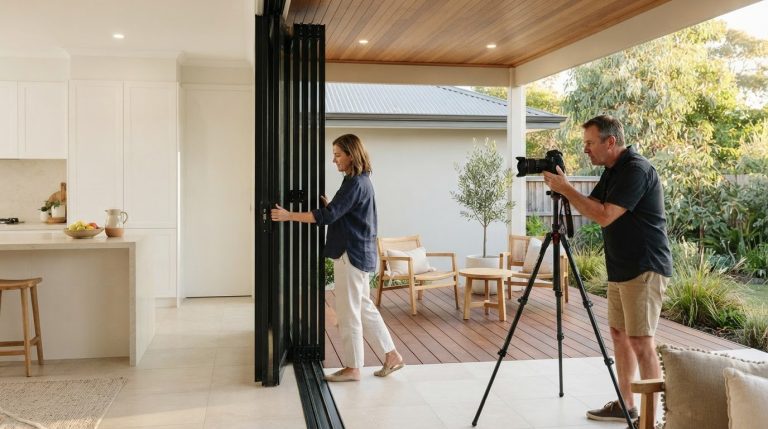
The listing service includes professional photography, floorplans and neighbourhood market reports, giving buyers useful information to consider. If you’re still preparing the property, Pre-Sale Property Consulting can help you think through the work and decisions involved before listing. Together, these offerings support a more organised path from preparing the home to responding to prospective buyers.
Explore the packages or get started through Kincade International Direct Sales at sellingmyplace.com.au.
Take your next step with confidence
Knowing how to manage enquiries for a private sale gives you a stronger footing. Next, decide how much support you want as the sale takes shape. You can manage buyer conversations yourself, or choose support with preparing the property and presenting it to the market. Pick the approach that fits your plans and the time you can give the process.
Kincade International Direct Sales offers Residential Property Listing Services, Buyer Representation and Pre-Sale Property Consulting. These services can support different needs, whether you’re preparing to list, seeking guidance around a purchase or planning your sale. A conversation can help you explore what kind of support suits your circumstances and priorities.
Take the next step at a pace that feels right for you. Contact Kincade International Direct Sales to discuss your property plans and possible support.
With a clear plan and support that suits your needs, you can move towards your next chapter with confidence.
Frequently Asked Questions
What do I need to know when selling privately?
You can sell your residential property privately in every Australian state and territory. The key is to understand the sale requirements that apply where the property is located, then plan how the contract and required documents will be handled. For example, NSW and ACT require a contract of sale before listing, while Victoria requires a Section 32 Vendor Statement before contracts are signed. Engage a qualified conveyancer or solicitor for legal matters.
How should you respond to buyer enquiries when selling a property privately in Australia?
To manage enquiries for a private sale, keep responses factual, timely and consistent. Use a saved reply as a starting point rather than sending a rushed answer. For example, if a buyer asks whether an appliance stays, check your sale inclusions before replying in writing. Direct questions about contract wording or legal obligations to your conveyancer. This separates property information from legal advice and gives you a clear record of what you communicated.